Monetize Your Carbon Credits from EV Charging
Foreseeson helps EV charger owners and network operators generate revenue from both regulated compliance programs and high-integrity voluntary carbon credits.
Join our program today to start earning
Two Clear Pathways
Different EV charging projects qualify for different carbon credit opportunities. Foreseeson helps you identify the right pathway, manage the process, and turn eligible charging data into revenue.
COMPLIANCE CREDITS
BC LCFS & Federal CFR
Best suited for qualifying EV charging assets in B.C. and across Canada, depending on program eligibility.
VOLUNTARY CARBON CREDITS
Designed primarily for chargers not already claiming LCFS or CFR credits, helping avoid double-counting. The program can support eligible charging assets across Canada and the U.S.
BC Low Carbon Fuel Standard (LCFS)
The BC Low Carbon Fuel Standard (LCFS) is a provincial regulation designed to reduce greenhouse gas (GHG) emissions from transportation fuels across British Columbia by encouraging the use of cleaner, low-carbon energy sources.Through the Foreseeson Carbon Credit Program, EV charger owners can turn their charging activity into BC-LCFS carbon credits and monetize them on the market, while remaining fully compliant with government regulations.
Our services include:
- Streamlined reporting of your EV charger’s electricity usage.
- Selling carbon credits on your behalf once approved.
- Revenue distribution - participants receive their share of the proceeds from each successful credit sale.
Key Requirements
- Residential buildings with 5+ dwelling units (or commercial sites).
- You pay the electricity bill for the chargers.
- Energy usage data is available.
Clean Fuel Regulations (CFR)
The Clean Federal Regulation (CFR) is a Canadian federal initiative that allows EV charger owners to generate carbon credits through the use of low-carbon fuels like electricity. These credits can be sold to oil companies that require them to comply with federal regulations.
Foreseeson can help you navigate through this program, simplifying all lengthy administrative processes by submitting reports on your behalf. Once credits are created, we help sell them on your behalf and remit your share, less applicable fees.
Key Requirements:
- Own/lease eligible networked EV chargers in Canada.
- Hold the right to generate CFR credits or assign those rights to an eligible Registered Creator.
- Track and provide accurate charging data, including the electricity delivered (kWh).
Voluntary Carbon Credits (VCU Program)
Foreseeson’s Voluntary Carbon Credit (VCU) Program enables EV charger owners, Charge Point Operators, Mobility Service Providers, site hosts, and fleet operators across the United States and Canada to generate high-integrity Verra Verified Carbon Units from charging sessions.
The program uses Verra’s Verified Carbon Standard (VCS) and the VM0038 methodology (Electric Vehicle Charging Systems). It is designed for chargers that are not claiming LCFS or CFR credits, avoiding double-counting.
Why This Program Stands Out
- Eligibility Start: Charging sessions after the program start date qualify if all program requirements are met (e.g., ownership transfer, data integrity).
- Geographic Boundary: US states and Canadian provinces (nationwide coverage, excluding LCFS/CFR-eligible chargers to avoid double-counting).
- Eligible Activities: Electricity delivered via L1, L2, or DCFC chargers for LDV or HDV vehicles.
- Crediting Period: 7 years, renewable twice, ensuring long-term revenue potential.
- Verified by accredited entities (e.g. SGS, TUV) for integrity and compliance.
Who Can Participate?
The program is open to eligible Charge Point Operators, Mobility Service Providers, site hosts, fleet operators, and other qualifying participants.
For best economic viability, we generally recommend portfolios of 100 or more EV chargers, although smaller portfolios may still qualify based on charging volume and verified energy-use data.
Example
A fleet with 100 Level 2 chargers delivering 1,000,000 kWh annually could generate approximately 466 VCUs, yielding roughly $6,990 in participant revenue (at $20/t and 75% share). Actual results vary with grid factors, market price, and verified data.
Why Choose Foreseeson?
Data Reporting
Foreseeson oversees and manages the entire report submission process, EV charger registration, and administrative tasks on behalf of our customers to ensure our customers can seamlessly generate carbon credits.
Aggregation
Buyers typically acquire substantial credit volumes in each transaction. Our program resolves this challenge by consolidating all credits into larger packages, making it possible for customers with small credit quantities.
Credit Sales
Beyond reporting, we help customers sell carbon credits on their behalf once they have been validated by the Government. We offer a complete solution, handling everything from reporting to successful credit sales.
Payout
After the successful completion of credit sales, each one of our customers who were part of the sales will receive their respective portion of the sold credit values, determined by the mutually agreed-upon service fee.
What are Carbon Credits?
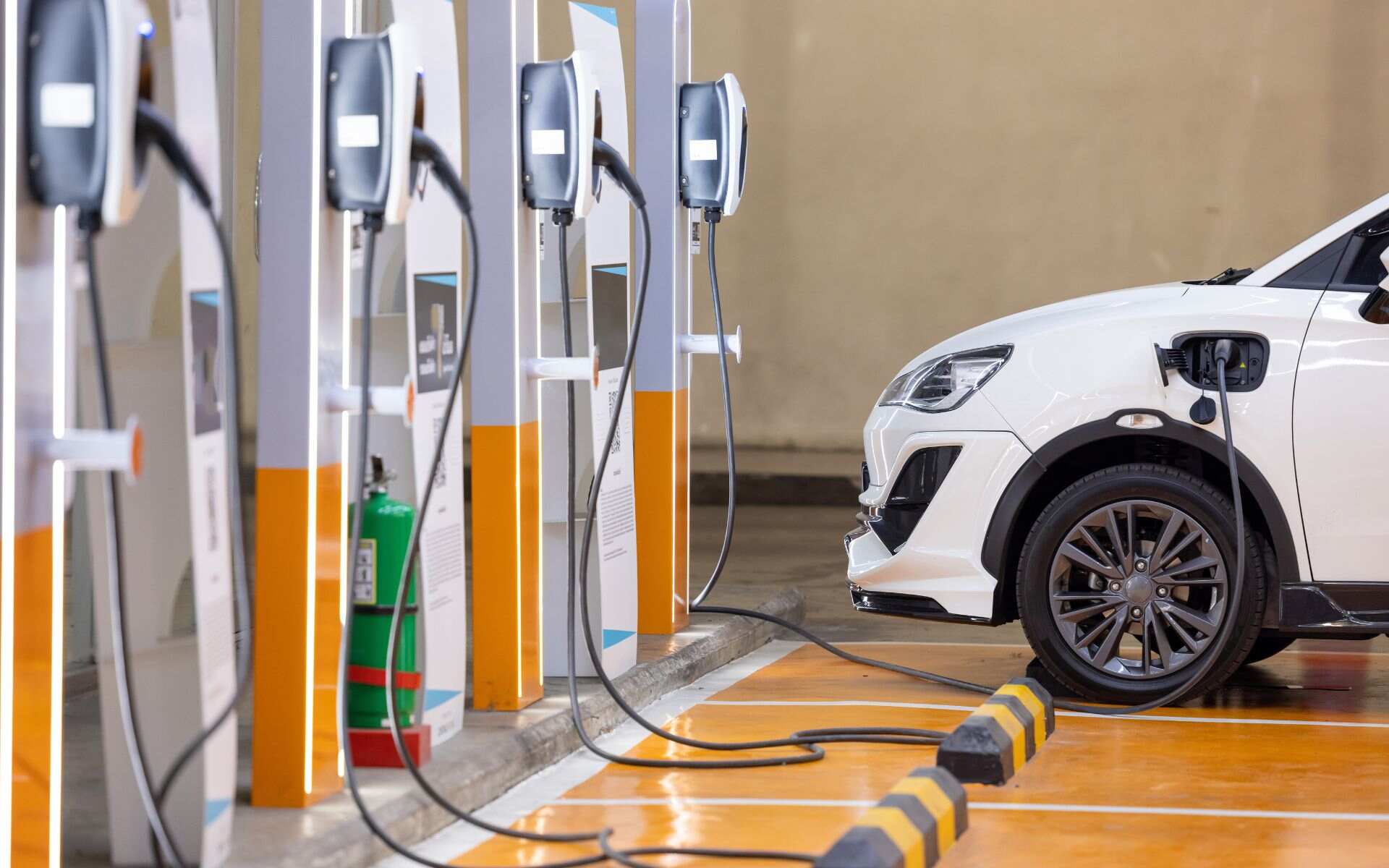
EV charging can generate environmental credits by replacing higher-carbon transportation fuels with electricity.
Depending on the project and location, eligible charging may participate in B.C.’s Low Carbon Fuel Standard (LCFS), Canada’s Clean Fuel Regulations (CFR), and Voluntary Carbon Credits (VCU Program).
Credits are based on verified energy use and the greenhouse gas reductions calculated under each program.
Who Can Generate EV Charging Credits?
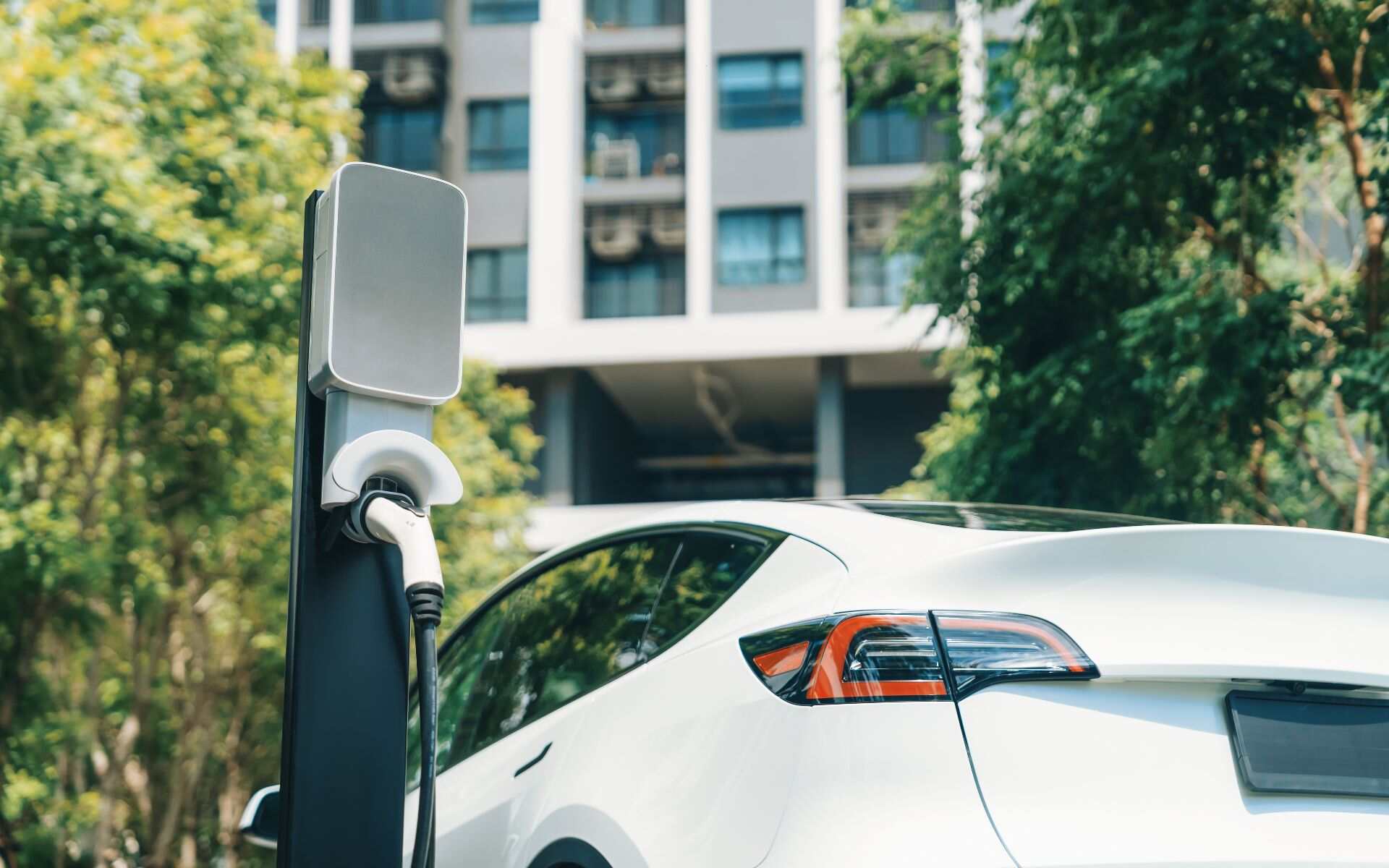
Businesses, fleets, workplaces, multi-unit residential properties and public charging operators may be eligible.
Eligibility depends on the program, charger location and use, electricity ownership, charging data, and who holds the rights to the credits.
Our team can help determine which credit programs may apply to your EV charging infrastructure.
Frequently Asked Questions
Eligibility varies by program. B.C. LCFS applies to eligible low-carbon transportation energy supplied in British Columbia, while the federal CFR can create opportunities for eligible EV charging across Canada. The Voluntary Carbon Credit Program is designed for qualifying charging assets participating under Verra’s EV charging methodology.
Foreseeson can review your charger location, usage, ownership and available charging data to help identify the appropriate pathway.
In general, participants need reliable and verifiable EV charging data, particularly the amount of electricity delivered to vehicles in kilowatt-hours (kWh).
Depending on the program, additional information may include charger location, equipment details, site ownership or operating rights, network data and supporting documentation required for reporting or verification.
The same emission reduction should not be counted twice. The appropriate program depends on the charging asset and the credits already being generated or claimed.
The only exception is in British Columbia, where the same kWh from EV charging can be used to claim credits under both the BC and CFR regulations.